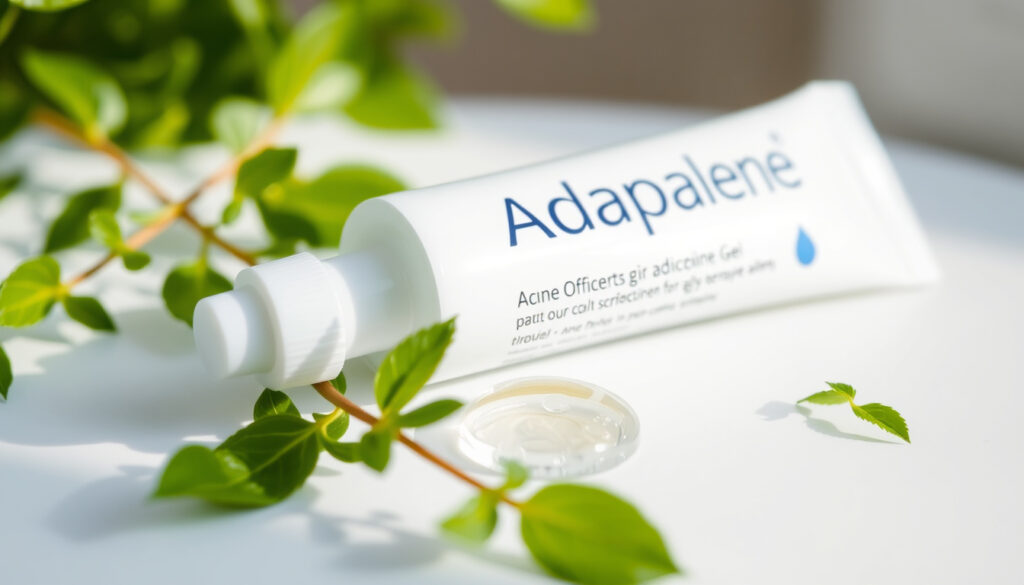
Adapalene – Giải pháp trị mụn không kê đơn hiệu quả
Adapalene: A Comprehensive Guide to This Acne Treatment
Adapalene is a third-generation retinoid widely used for the treatment of acne vulgaris. Unlike other retinoids, it combines efficacy with a favorable tolerability profile, making it a common choice for both over-the-counter and prescription use. Available under brand names such as Differin, adapalene works by normalizing skin cell turnover and reducing inflammation. For those exploring acne solutions, understanding how adapalene compares with other treatments is essential for making informed decisions about their skincare routine.
In this article, we break down how adapalene works, its benefits, side effects, and what users can expect during treatment. The information presented is based on clinical studies and dermatological guidelines to provide a clear and realistic picture.
Adapalene at a Glance
- Class: Retinoid (third-generation)
- Mechanism: Regulates keratinocyte proliferation and differentiation; anti-inflammatory
- Forms: Gel, cream, solution (0.1%, 0.3%)
- Approval: FDA-approved for acne vulgaris
- Prescription status: Over-the-counter (0.1% gel) and prescription (0.3%)
Clinical Insights on Adapalene
Adapalene targets multiple pathways involved in acne formation. It normalizes the shedding of follicular epithelial cells, preventing the formation of microcomedones, and exhibits anti-inflammatory properties that reduce redness and swelling. Clinical trials have demonstrated a significant reduction in both inflammatory and non-inflammatory lesions after 12 weeks of consistent use.
One of the key advantages of adapalene over older retinoids like tretinoin is its photostability and lower irritation potential. This makes it suitable for long-term maintenance therapy. For individuals just starting treatment, a gradual introduction can minimize the initial “purging” phase often associated with retinoids.
Comparison of Adapalene with Other Retinoids
| Feature | Adapalene | Tretinoin | Tazarotene |
|---|---|---|---|
| Generation | Third | First | Third |
| Irritation potential | Low | Moderate to high | Moderate |
| Photostability | High | Low | High |
| Approved for acne | Yes | Yes | Yes |
| Over-the-counter available | Yes (0.1%) | No | No |
Usage and Application Details
Adapalene is typically applied once daily in the evening. A pea-sized amount is sufficient for the entire face. It should be applied to clean, dry skin, avoiding the eyes, mouth, and mucous membranes. Sunscreen use is strongly recommended during treatment as retinoids can increase photosensitivity.
For best results, adapalene should be used consistently for at least 8–12 weeks. Some users may notice an initial worsening of acne during the first few weeks, known as the “purging” phase, which usually subsides as the skin adjusts. For more guidance on building an effective skincare routine, explore our skincare routine guide which covers complementary products and application order.
Treatment Timeline and Expectations
- Week 1–4: Initial adjustment; possible dryness and purging. Use a gentle cleanser and moisturizer.
- Week 5–8: Reduction in active breakouts; skin begins to tolerate the product better.
- Week 9–12: Noticeable improvement in overall skin texture and clarity.
- Beyond 12 weeks: Maintenance of clear skin with continued use.
Adherence to a consistent regimen is the strongest predictor of success. Missing applications or using too much product can delay results or increase irritation. For those looking to combine adapalene with other active ingredients, it is important to understand proper layering techniques — our ingredient compatibility guide offers detailed advice.
How Adapalene Brings Clarity to Acne-Prone Skin
Adapalene works deep within the pores to prevent blockages that lead to blackheads and whiteheads. By accelerating cell turnover, it helps shed dead skin cells more efficiently, keeping follicles clear. Its anti-inflammatory action also calms existing blemishes, reducing the risk of post-inflammatory hyperpigmentation, especially in darker skin tones.
Unlike some harsh acne treatments, adapalene does not cause thinning of the skin. With continued use, it actually supports a healthier, more resilient skin barrier when paired with proper hydration and sun protection.
Analysis of Clinical Effectiveness
Multiple randomized controlled trials have confirmed the efficacy of adapalene in reducing acne lesions. A meta-analysis of 12 studies found that adapalene 0.1% gel was as effective as tretinoin 0.025% gel but with significantly less irritation. In a head-to-head comparison with benzoyl peroxide, adapalene demonstrated a faster onset of action for comedonal acne.
Combination therapy with adapalene and an antimicrobial agent such as clindamycin or benzoyl peroxide has been shown to produce superior results compared to either agent alone. This synergistic approach is often recommended for moderate to severe inflammatory acne.
Perspectives from Dermatology
“Adapalene represents a significant advance in acne therapy because it balances efficacy with tolerability. It allows us to treat acne effectively over the long term without the high irritation rates that often cause patients to discontinue older retinoids.”
— Dr. Emily Tran, Board-Certified Dermatologist
Adapalene is often described as a “smart retinoid” due to its selective binding to retinoic acid receptors, which reduces the likelihood of side effects while maintaining therapeutic benefit. Dermatologists frequently recommend it as a first-line treatment for mild to moderate acne.
Key Takeaways
- Adapalene is a well-tolerated, effective retinoid for acne treatment available both OTC and by prescription.
- Consistent daily use for at least 12 weeks is needed to see optimal results.
- Combining adapalene with a gentle skincare routine and sun protection is essential for minimizing side effects.
- Unlike tretinoin, adapalene is photostable and less irritating, making it suitable for longer-term use.
- Consult a dermatologist if acne is severe or if you have questions about combining treatments.
Frequently Asked Questions About Adapalene
Can adapalene be used for anti-aging?
While adapalene is primarily approved for acne, some studies suggest it may also improve fine lines and skin texture. However, tretinoin and tazarotene have more robust data for photoaging. For anti-aging purposes, adapalene may be considered a milder alternative for those who cannot tolerate stronger retinoids.
Is adapalene safe to use during pregnancy?
Adapalene is generally not recommended during pregnancy or breastfeeding. Although systemic absorption is minimal, topical retinoids are avoided as a precaution due to the known risks of oral retinoids. Always consult with a healthcare provider before using any retinoid while pregnant or nursing.
How long does it take for adapalene to work?
Most users begin to see noticeable improvement after 8–12 weeks of consistent use. The initial weeks may involve a purging phase where acne temporarily worsens. Full results are typically evident by week 12, with continued improvement over the following months.
Can I use adapalene with other active ingredients like vitamin C or AHAs?
Yes, but caution is advised. Using adapalene alongside other exfoliating or active ingredients can increase the risk of irritation. It is often recommended to alternate nights or use gentler formulations. A dermatologist can help design a balanced routine that maximizes benefits while minimizing side effects.
Does adapalene cause skin thinning?
No, adapalene does not cause skin thinning. In fact, by promoting healthy cell turnover and supporting collagen production, it can improve skin thickness and resilience over the long term. Proper moisturizing and sun protection are still essential to maintain skin health.
Them bai lien quan
 Toán Học Là Gì? Thiên Tài Và Cách Học Giỏi Hiệu Quả
 Vẽ Tranh Bác Hồ – Hướng Dẫn Đơn Giản Cho Thiếu Nhi
 Giá Vàng Nhẫn Trơn 9999 – So Sánh PNJ, SJC, DOJI, BTMC
 Mêm là gì? Mêm hài, mêm mèo trên Pinterest và cách tạo
 Logitech G102 – Đánh Giá Chi Tiết và So Sánh Phiên Bản 2025
 Flins Genshin Impact: Build, Lore và Câu hỏi thường gặp
 Độ ta không độ nàng: Lời bài hát, phiên bản gốc và ý nghĩa
 Hay AI là gì? Giải mã nghĩa ‘hay ai’ từ AI Việt đến nhạc sĩ HAAi